Dad
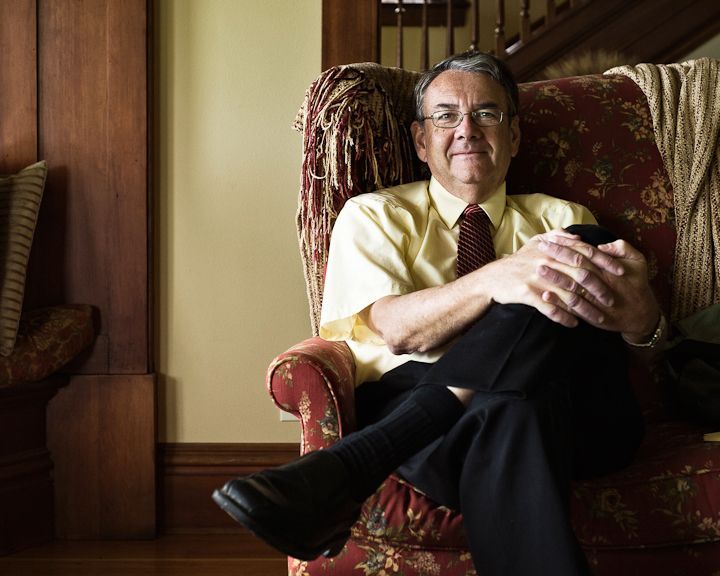
Update: My dad died suddenly and expectedly in April, 2026.
I published the post below for Father's day four years earlier. I intended it as a living eulogy – the most generous portrait that I could paint of my dad during a time when I was trying to repair our relationship and love him unconditionally. The intended audience of this post was singular.
Now that he's gone, I'll add a caveat.
Everything I wrote about my dad below is true... but it's an incomplete portrait of a complicated relationship.
One of the trickier parts of his passing has been the well-intentioned comments from friends and church members saying things like, "he was so kind" or "he was such a godly man." There was a heavy dissonance between my dad's public perception as a pastor and our family's experiences with him in private. My dad did not practice what he preached.
We walked on eggshells around my dad. He was quick to anger. He kept long lists of wrongs. He was vengeful, petty, and mean to the people closest to him. By the time he died, he had burned bridges with almost everyone in his family, including me.
A lot of the work that I've been doing since he died is figuring out how to reconcile that the good and the bad parts of my dad's legacy can both be true.
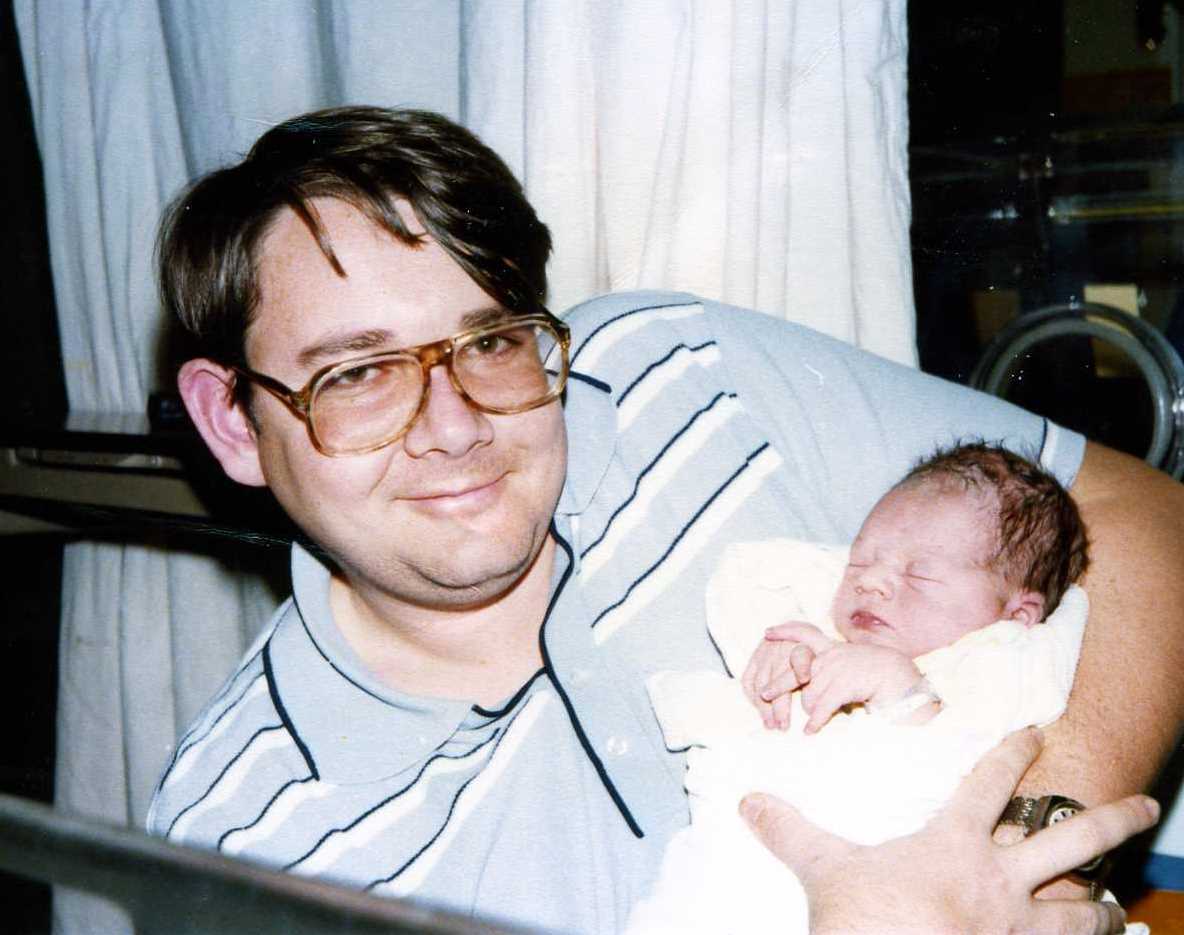
My dad's name is Lloyd Dean Baugues.
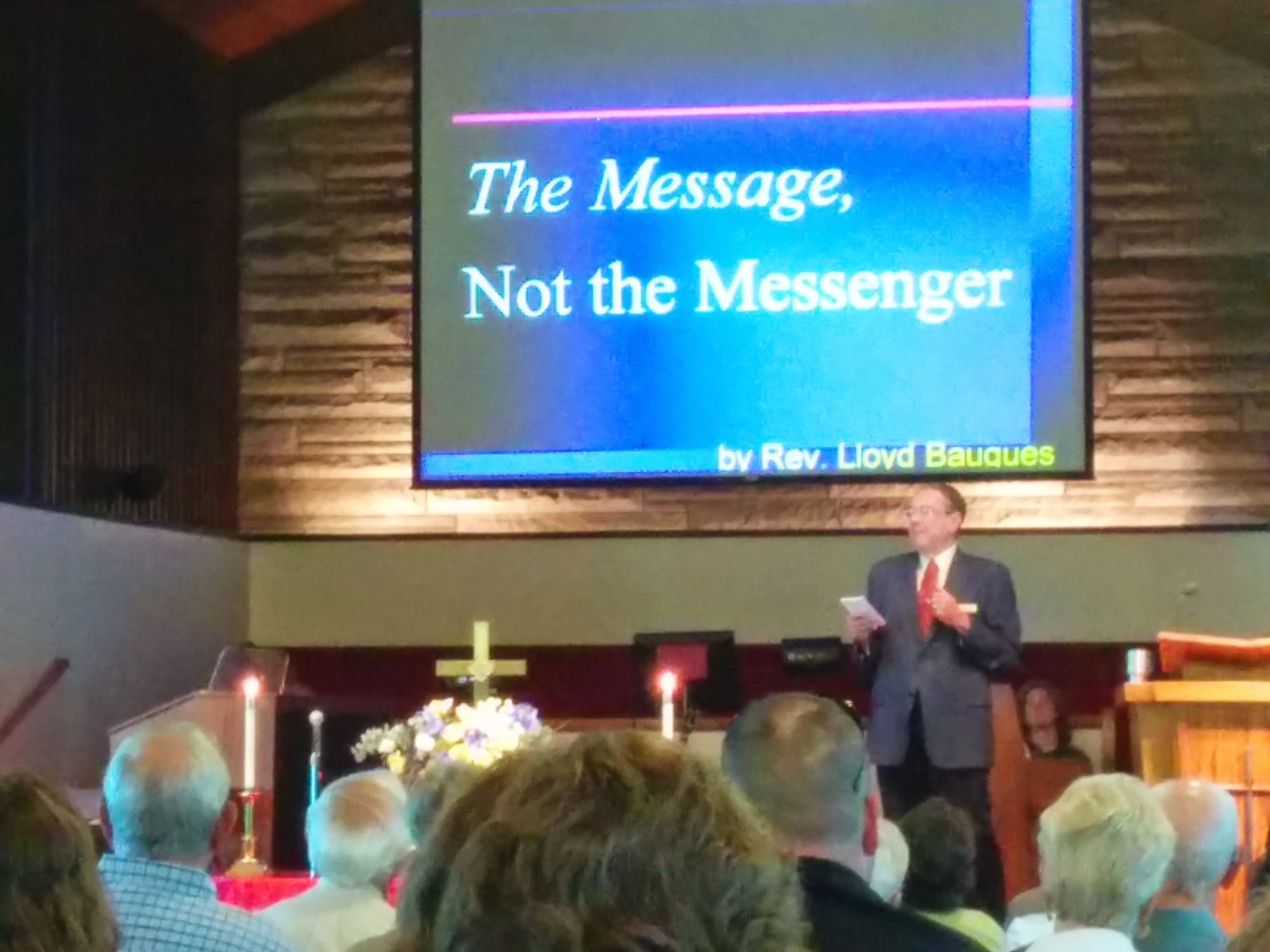
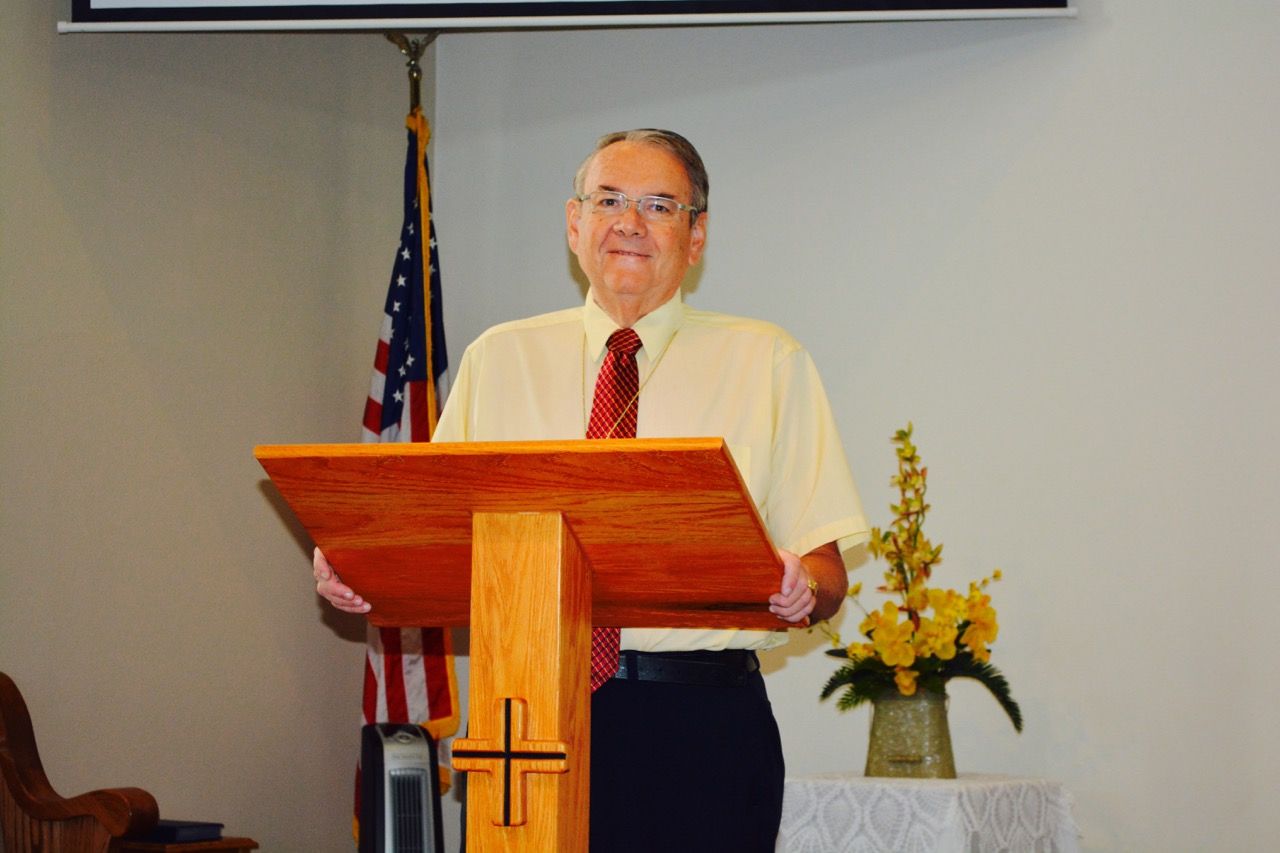
My dad is a storyteller. He served as a United Methodist pastor for forty years. Every week growing up, I'd watch him write, rehearse, and deliver a sermon. He was known for using humor and short memorable stories to illustrate his points.
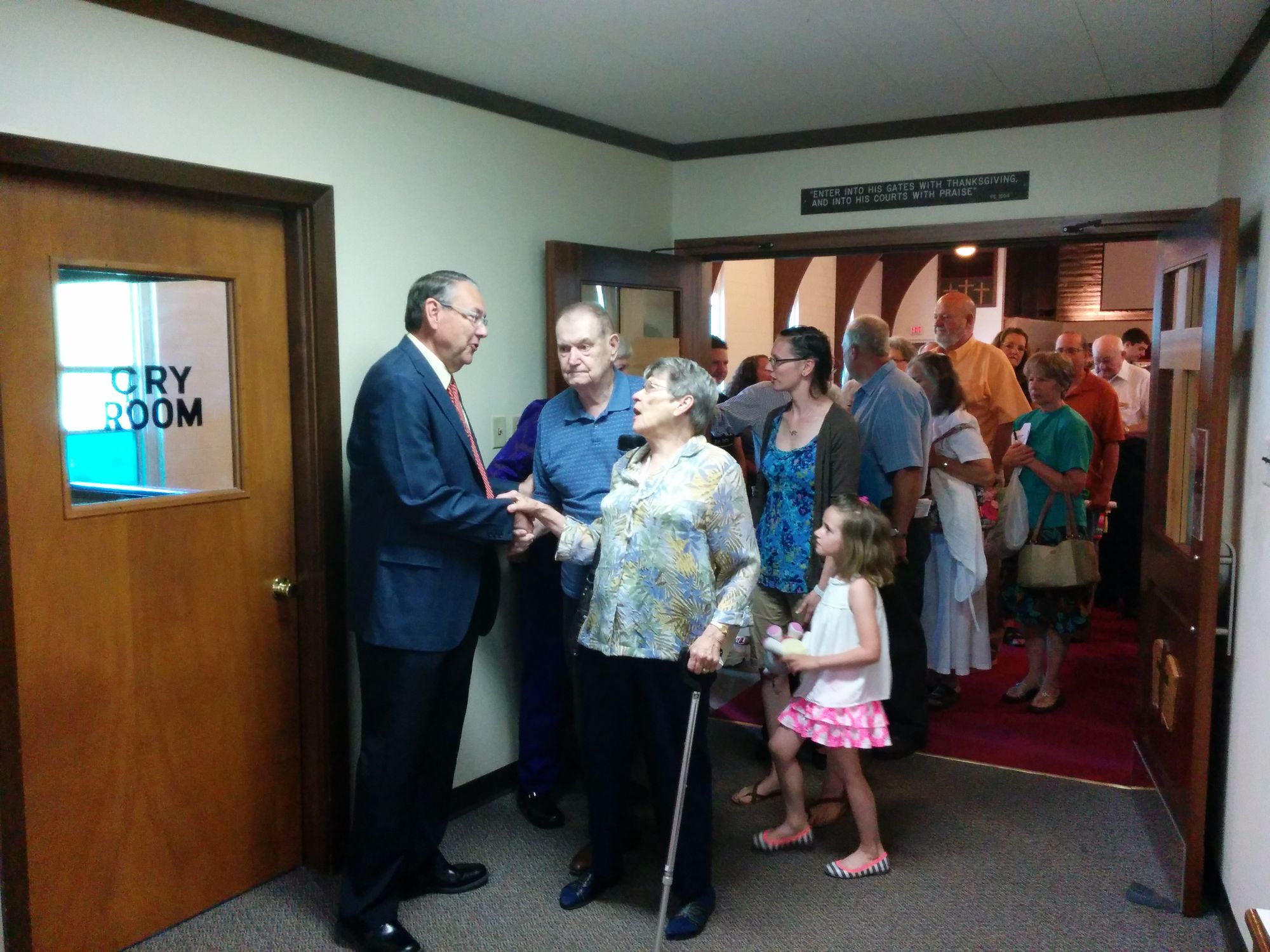
My dad is a counselor. Much of a pastor's work away from the pulpit is one-on-one conversations with people in pain. People at the hospital. People in the funeral home. People facing difficult decisions. People who have experienced loss. It's heavy, emotional labor.
My dad is a technologist. When I was five or six years old, my dad bought a Radio Shack TRS-80. A pastor in 1985 didn't need to spend $2500 (over $5000 today!) on one of the world's first personal computers, but he was fascinated by new technology and what was possible with it. He was a fast typer and an early adopter of the Word Processor. He created databases to catalog his sermon collection. He continued to upgrade machines over the next two decades: we had a 386, then a 486DX-50, and eventually a Pentium. He trusted me to use his computer and, by the time I was in middle school, started buying me my own.
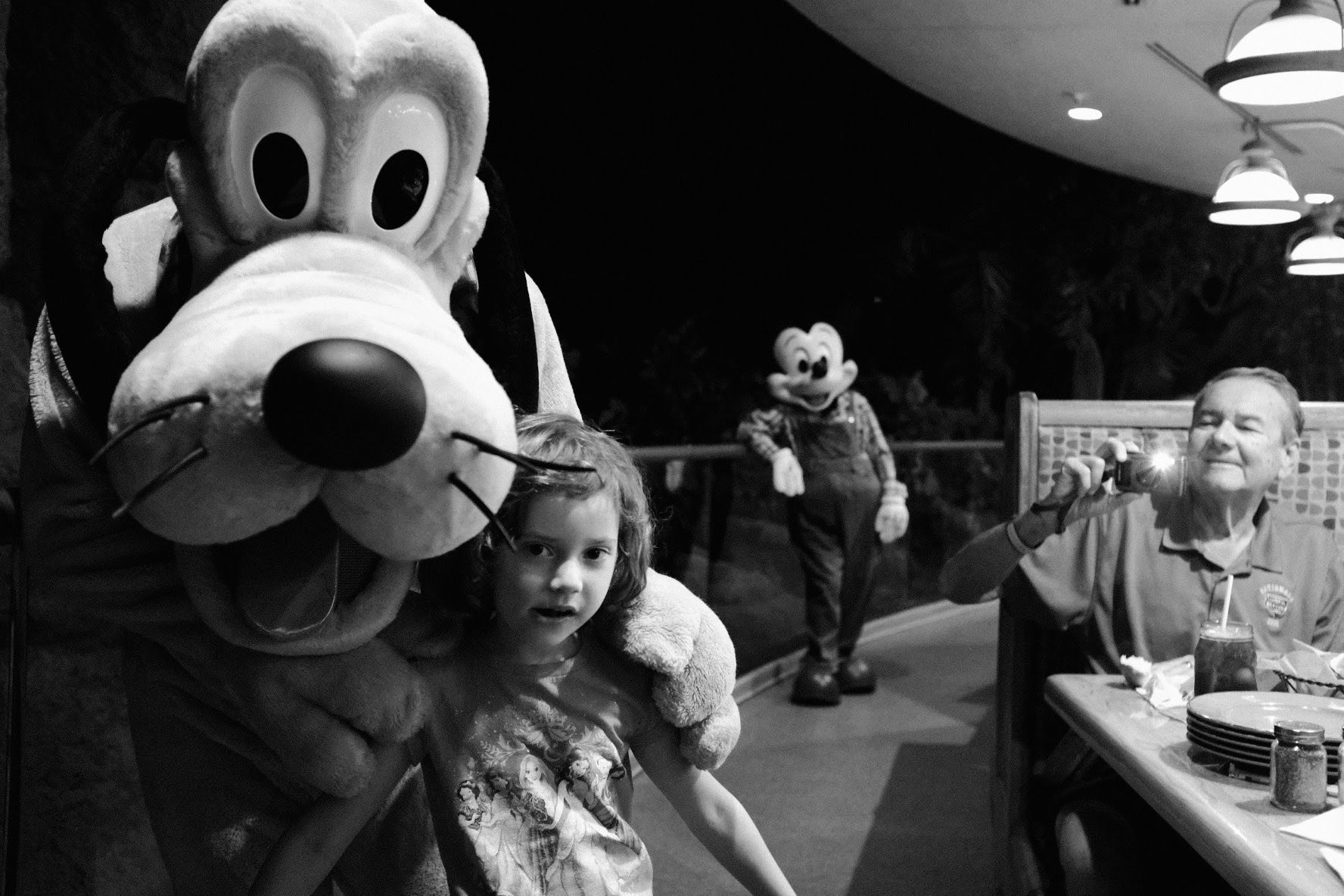
My dad is a photographer. He always carried a camera with him while we were on vacation. He was an early adopter of digital photography. He has hundreds of gigabytes of digital photos.
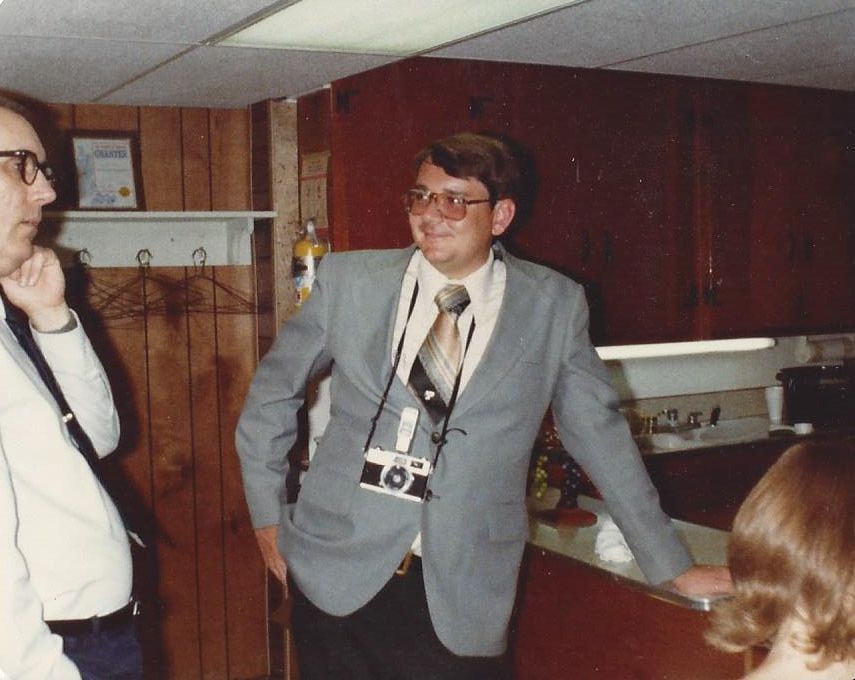
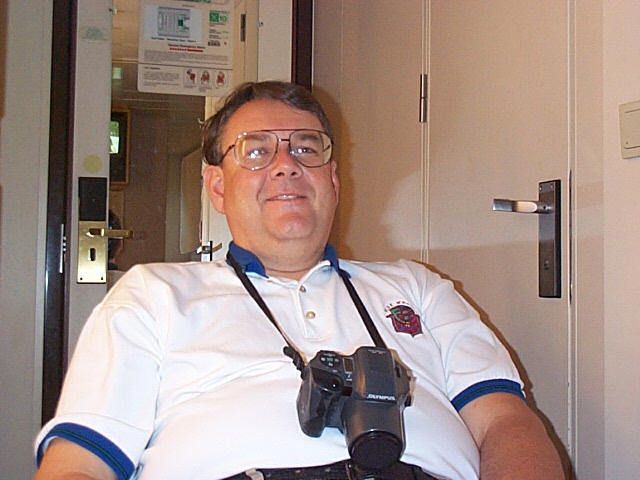
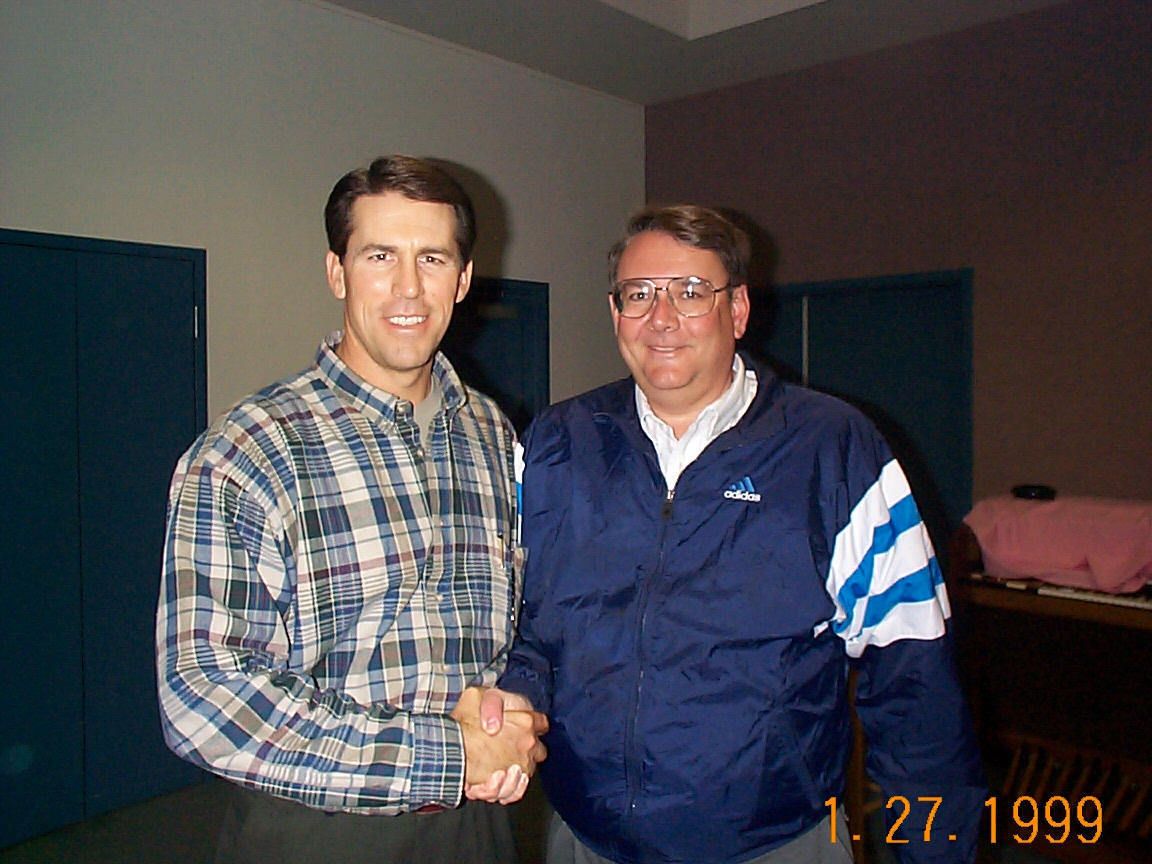
My dad is a leader. Being the pastor of a small church means managing a small number of employees, a larger team of volunteers, and serving as the figurehead for a 100+ person community. He was constantly reading books from authors like Rick Warren and John Maxwell, attending leadership seminars, and encouraging me to do the same.
My dad worked from home. He had an office at the church, which we lived next to, but his "real" office was a spare bedroom in our house. There he kept a large wood desk, his computer, hundreds of filled legal pads, a reading chair, and bookshelves overflowing with books on Christianity and leadership. His office was messy – papers were everywhere – but he got a lot of work done there. I spent a lot of time there too, sitting at his desk, reading books from his shelves, watching him work on his computer.
My dad prioritized his family over his career. In the United Methodist church, the way you get promoted is by getting moved. When I was born, my dad was pastoring three churches in southern Indiana: Yankeetown, Selvin, and Hatfield. Each town was so small that they couldn't afford to support a full-time pastor.
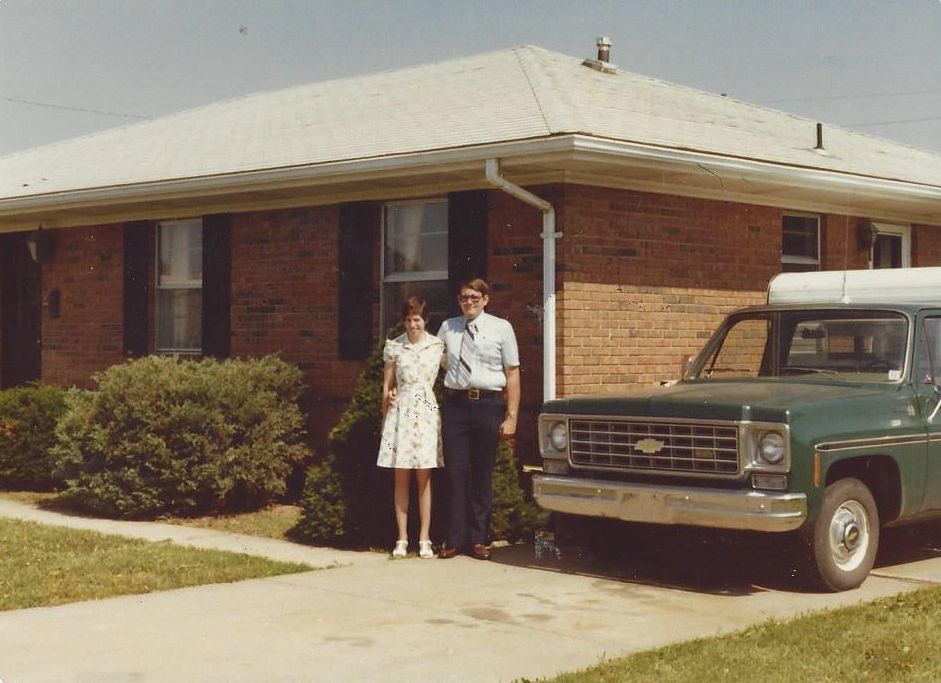
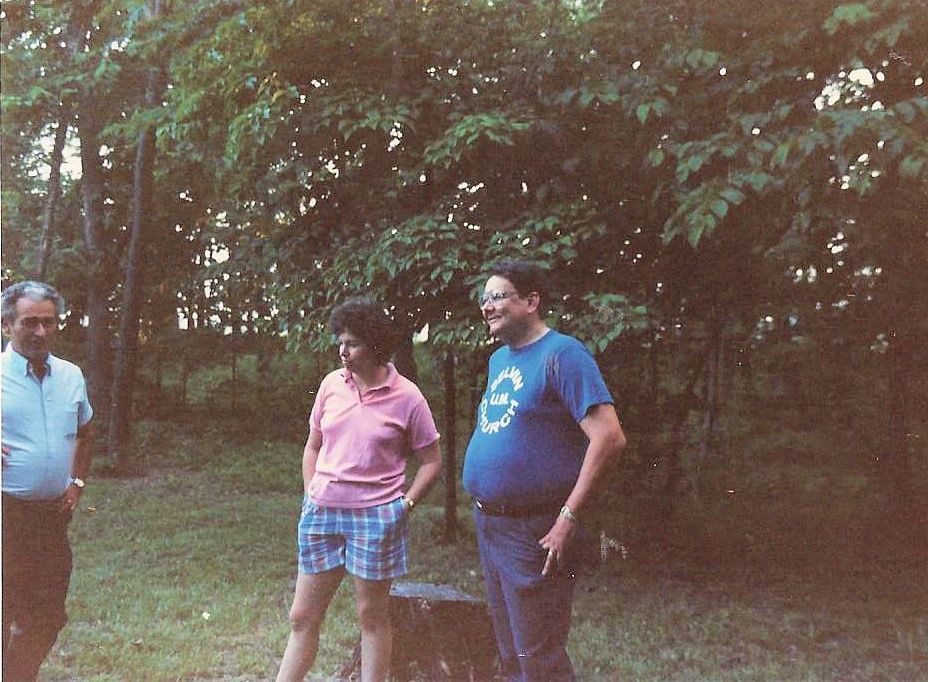
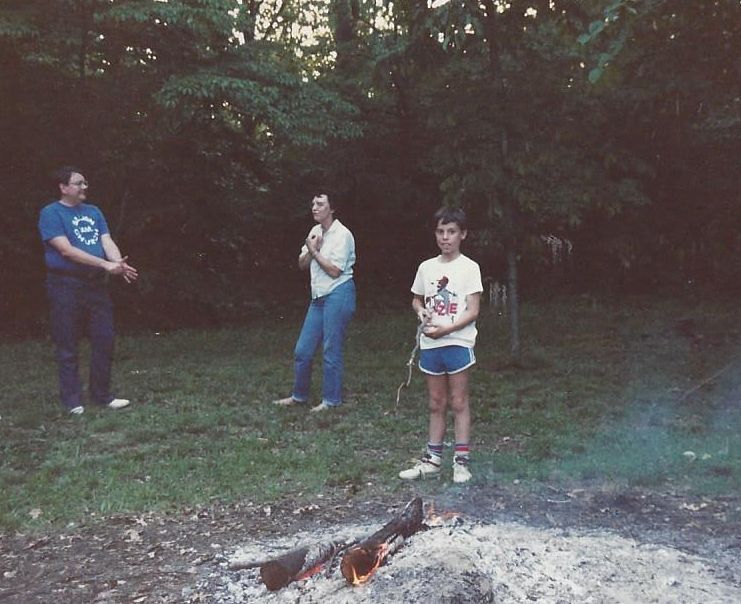
Four years later, my dad was moved to Lynnville, a coal-mining town of 800 people. Not only did it pay a bit more, but now he only had to pastor one additional church. He'd do the 9am service at Lynnville, then hop in the car and drive to Spurgeon for the 10:30am.
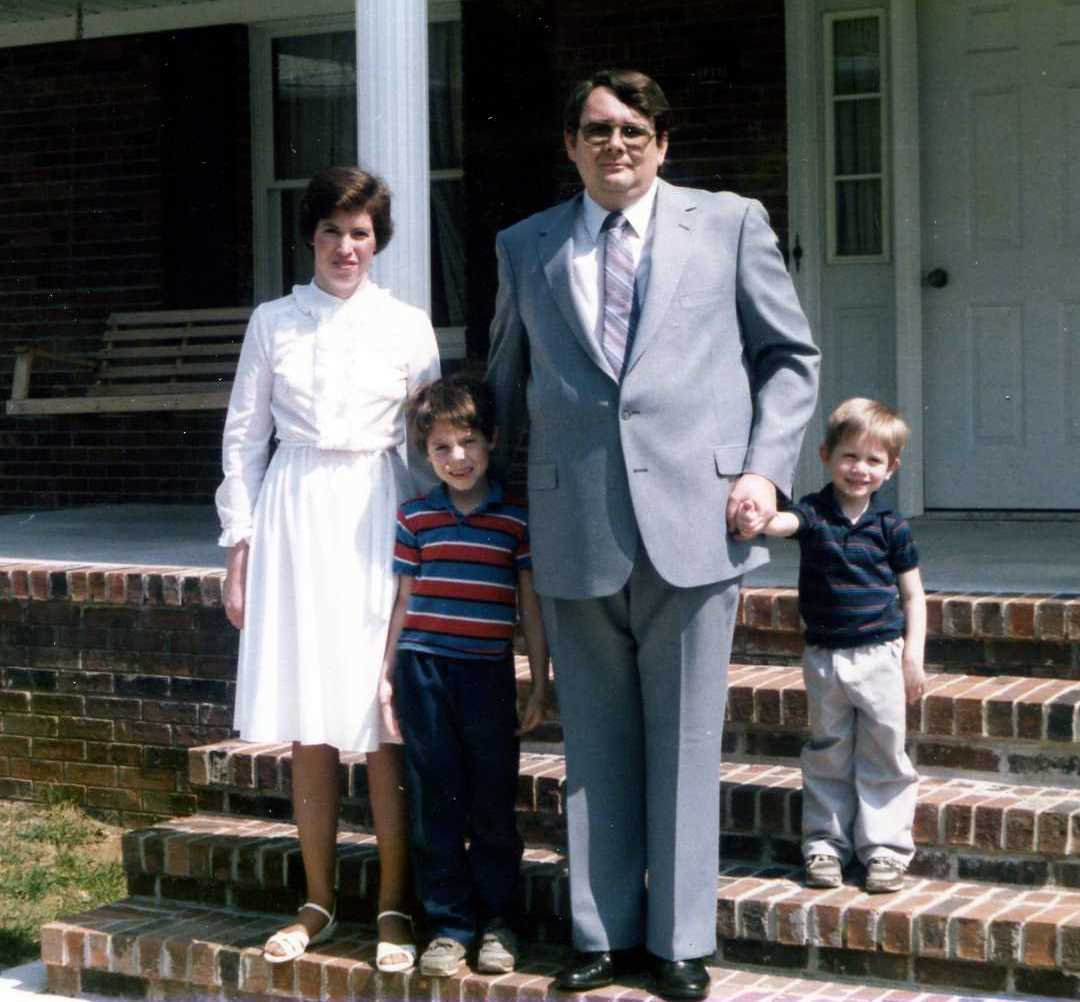
The summer before I started fourth grade, my dad was promoted to Union Chapel United Methodist Church in Indianapolis. This moved us from rural Indiana to a real city, and it put us into a great school district. My dad stayed at Union Chapel for twelve years, and turned down every promotion offered in the prime of his career, so that my brother and I could graduate from the best high-school in the state.
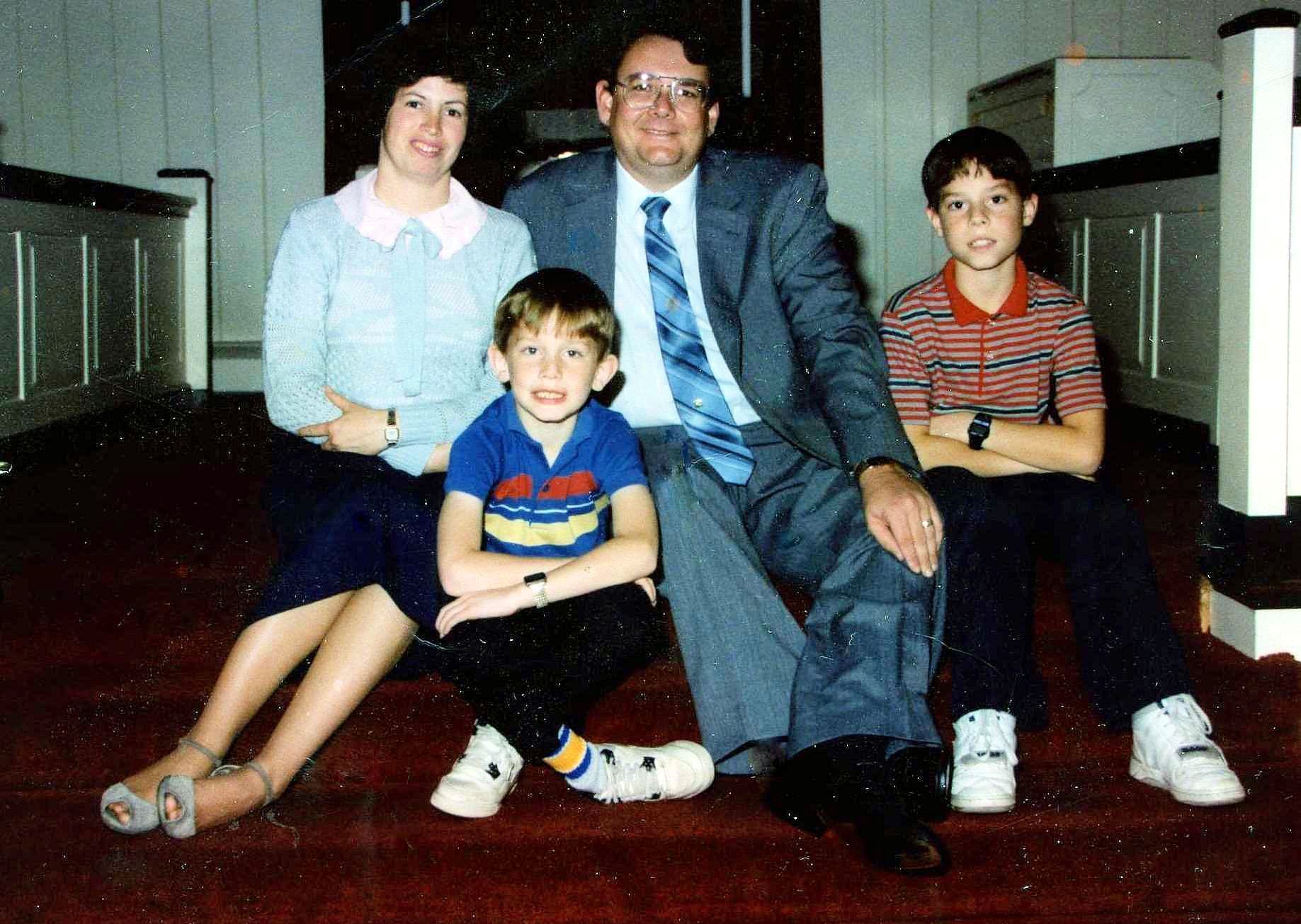
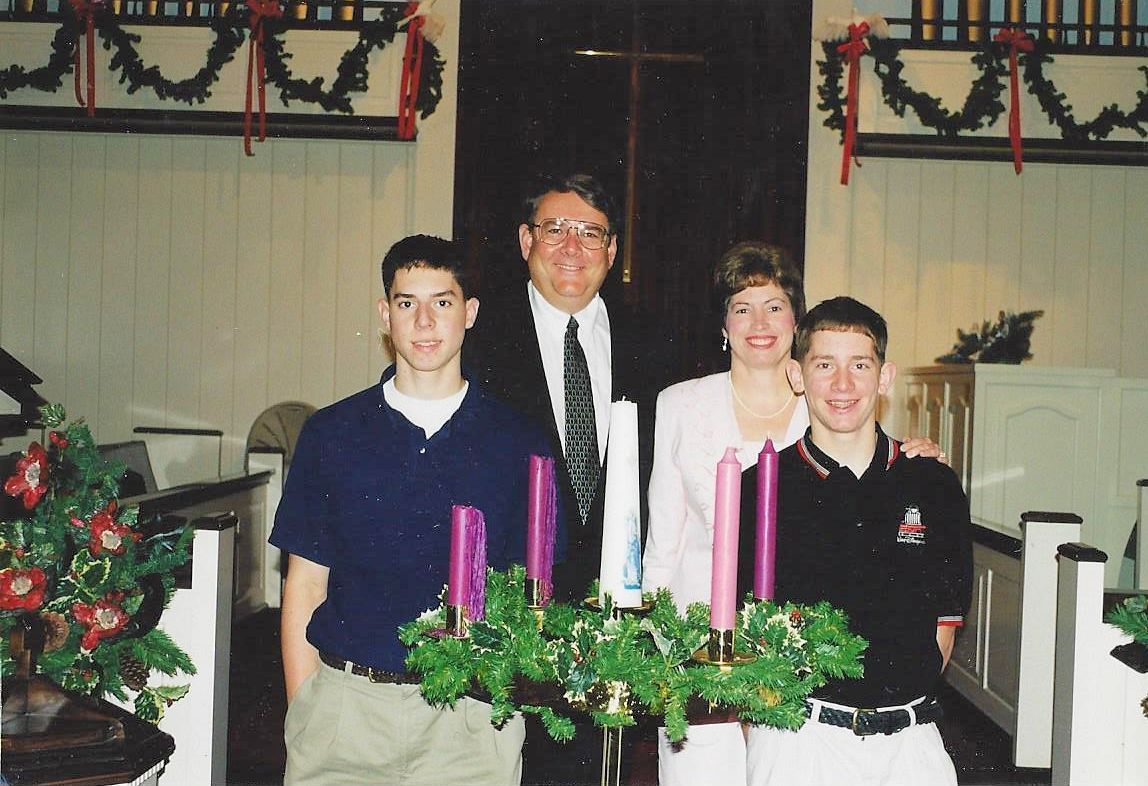
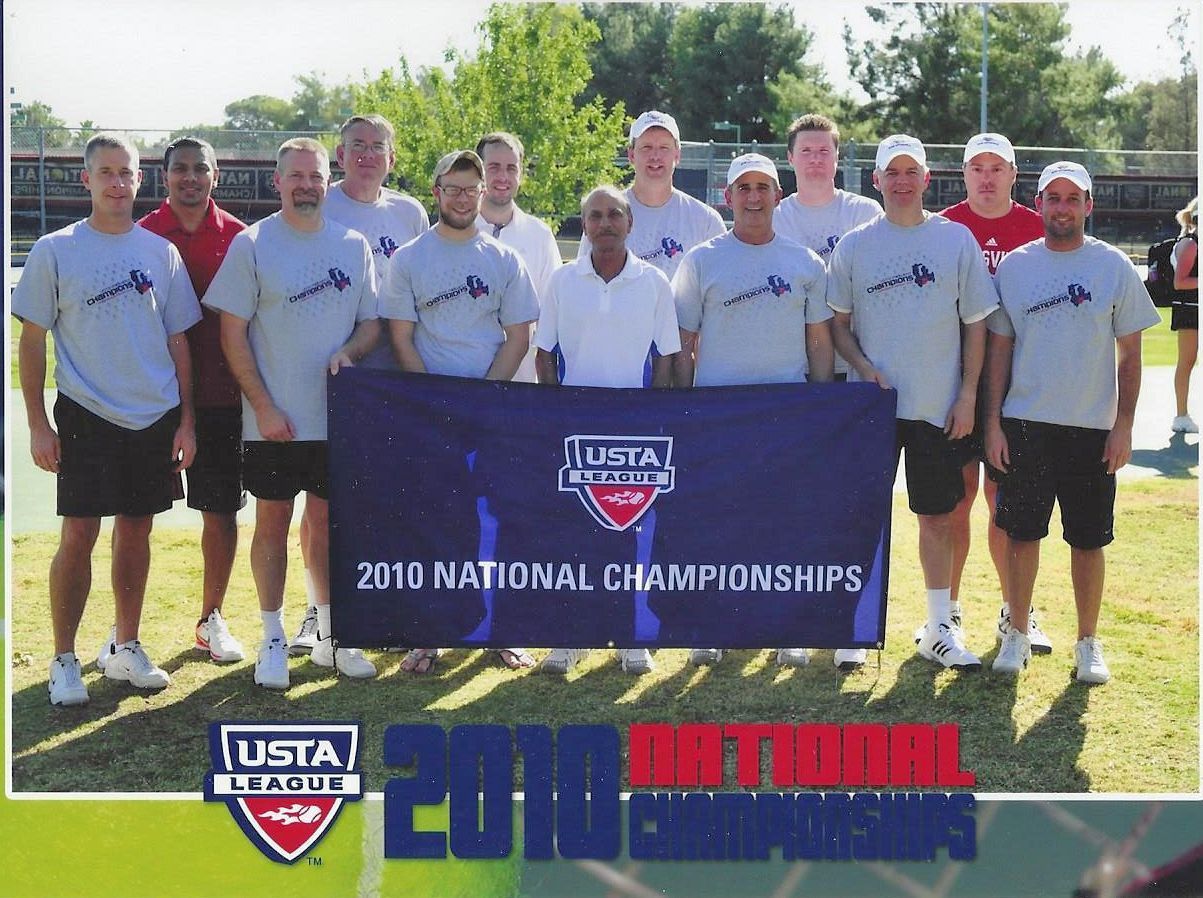
My dad is a competitor. He played tennis in high-school and college. He had a wicked left-hand serve that folks found very difficult to return. He continued playing tennis for decades, and even won a national championship in his 50s.
I learned how to program on my dad's TRS-80 when I was six years old and have been a software developer ever since. I started doing public speaking ten years ago. It was nerve wracking, but I knew how to write, rehearse, and deliver a thirty-minute talk. The main topic I speak about is mental illness amongst developers. After my talks, I often end up in one-on-one conversations with folks who share painful stories with me that they've never shared before. The combination of software development, public speaking, and serving developers led me to a job at Twilio as a developer evangelist.
I tell people, "I'm a second-generation evangelist." I'm only half-joking.
When the pandemic hit, we moved into an apartment with a basement which I've claimed as my office. There I keep a large walnut desk, my computers, dozens of full Moleskine notebooks, a reading chair, and a bookshelf. It's messy, and the girls are welcome any time.
After my first two years at Twilio, I moved into leadership spent the next five years managing small teams. Last year, Julia had just turned 1, Emma had just turned 7, and I was burned out. I gave up my title, team, and path for future promotion, and went part-time to spend more time with family and hobbies.
My primary hobby is photography. My secondary hobby is jiu jitsu, which I've practiced since I was eighteen, and hope to continue into my 50s.
The things I do well, I learned first from my dad.
I am who I am because of my dad.
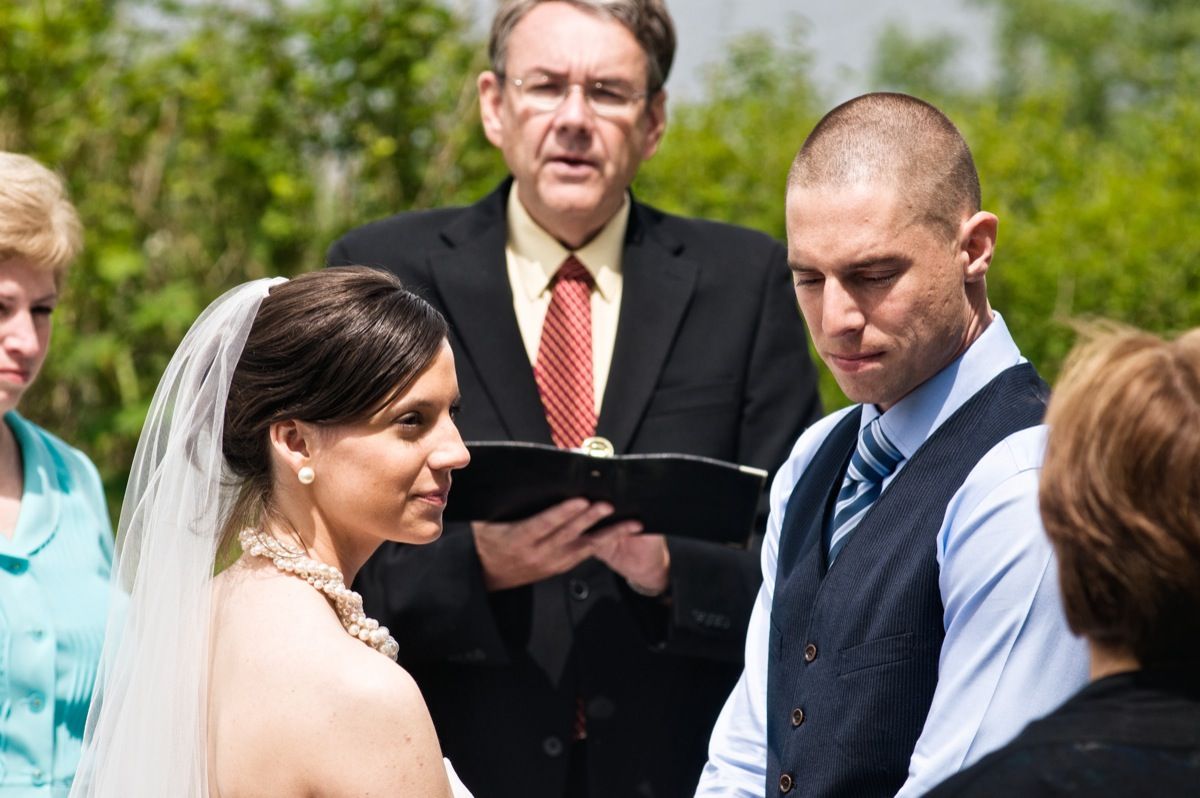
Featured photo and wedding photo by Devin David Novgorodoff, who shot our wedding.